 10 Photos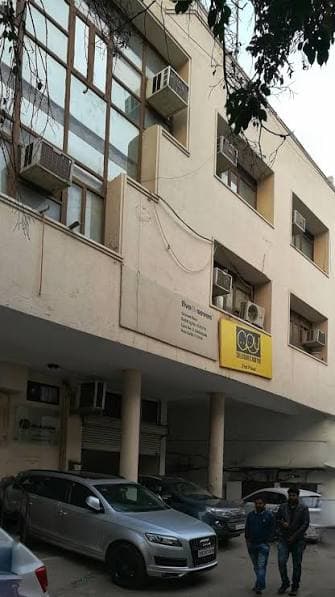
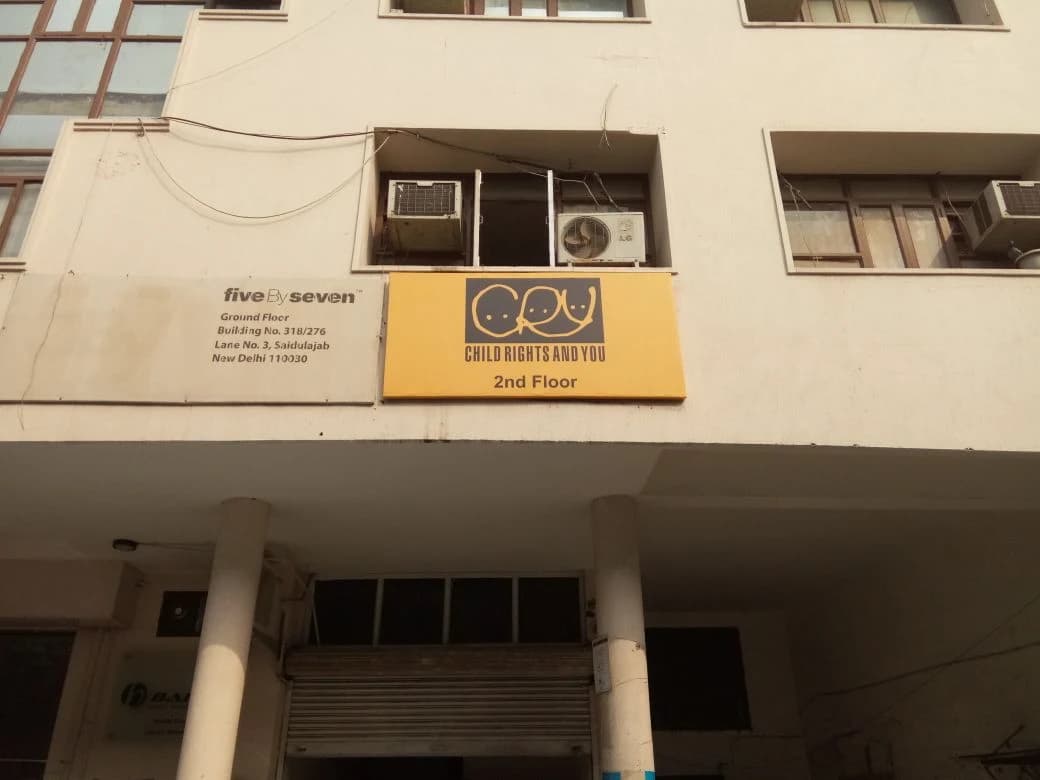
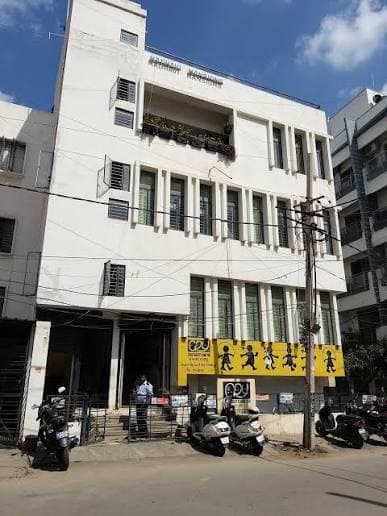
+6 more
1979
Established
3 Million+ Children Reached
Students
500+ Employees & Field Staff
Faculty
One of India's leading child rights organizations.
Ranking
Institution Directory
Profile overview, facts & contact points
Key Details
Operating Hours
9:30 AM - 6:00 PM (Mon-Fri)Established
1979Gender
Co-EdAddress & Contacts
Address
Siri Institutional Area
Delhi, Delhi - 110049
Contact Officer
Support Team (Donor Relations)
Phone Number
Email Addresssupport@cry.org
Official Websitewww.cry.org
CRY -
CRY - Child Rights and You
Direct Admission Desk
CRY does not run centralized institutional facilities like private schools or orphanages, choosing instead to resource and establish physical support infrastructure directly within rural villages and urban slums. By working with grassroots partners and upgrading government spaces, the organisation sets up the following localized community facilities:
🎒 Educational Infrastructure & Learning Hubs
- Child Adolescent Resource Centres (CARCs): Physical village hubs equipped with computers, internet access, and reference books to support student study groups and prevent dropouts.
- Bridge Learning Centres: Semi-formal classrooms built within remote communities to help out-of-school youth or former child labourers cover academic gaps before transitioning into mainstream public schools.
- Mini Science & STEM Labs: Interactive lab installations inside rural public schools featuring specialized educational kits to foster hands-on learning.
- WASH School Facilities: Upgraded gender-friendly sanitation spaces, clean drinking water systems, and menstrual hygiene corners built directly inside government schools.
- Shiksha Vahini Bus Systems: Specialized community transit facilities designed in select regions to bus rural girls safely to secondary educational institutes.
🩺 Health & Nutrition Hubs
- Sneha Shivir Camps: Temporary village-level medical rehabilitation tents used to actively diagnose and treat infants suffering from severe acute malnutrition.
- Anganwadi Health Corners: Upgraded physical storage and growth-monitoring infrastructure provided to local state-run childcare centers.
- Village Kitchen Gardens: Land patches allocated and cultivated within community backyards to secure direct access to nutrient-rich vegetables.
🛡️ Child Safety Network Hubs
- Community Child Protection Desks: Dedicated neighborhood help stations managed by trained local citizens to flag and record tracking inputs on child labor and early marriages.
- Temporary Safe Shelters: Short-term transit shelters arranged through grassroots partner alliances to protect children rescued from hazardous work situations.